Forty feet above the turquoise Caribbean Sea, a walled Maya city has stood for over 800 years. The Tulum ruins are the only Maya archaeological site built directly on a coastal cliff—a setting of breathtaking drama that makes them unlike any other pre-Columbian monument in Mexico. Each morning, the sun rises directly over the water below El Castillo. Each afternoon, iguanas bask on ancient limestone. The ruins were here long before tourism arrived. They remain extraordinary today.
However, experiencing Tulum ruins properly requires more than buying a ticket. Timing matters enormously. Expert interpretation transforms stone structures into living history. Furthermore, a certified local guide unlocks the archaeological and astronomical details that most visitors walk straight past. This guide covers everything: the ruins’ history, their key structures, practical visiting information, and how to experience them at their absolute best.
What Are the Tulum Ruins?
A Post-Classic Maya Trading Port
The Tulum Archaeological Zone preserves the remains of a post-classic Maya city that functioned as a major maritime trading port between approximately 1200 and 1521 CE. The Maya called it Zama—meaning “Dawn”—a reference to its east-facing position above the Caribbean. Spanish conquistador Juan de Grijalva first sighted the city from a passing ship in 1518. He described a “city so large that Seville could not appear larger or better.”
In addition to its trading function, Tulum served a navigational role. El Castillo (The Castle)—the dominant structure—was almost certainly used as a lighthouse. Interior fires guided Maya canoes through the only safe gap in the offshore reef. As a result, the city controlled both the sea route and the reef passage. This made Tulum one of the most strategically significant sites on the entire Caribbean coast.
The Defensive Wall
Tulum is named after the Maya word for “wall” or “fence.” Three sides of the city are enclosed by a 7-meter-thick defensive wall up to 5 meters high. The Caribbean cliff protected the fourth side. This fortification system was exceptional for a post-classic Maya site—suggesting Tulum’s wealth was significant enough to defend actively. Consequently, the site is also known as the “Walled City of the Caribbean.”
Key Structures at Tulum Ruins
El Castillo: The Lighthouse Pyramid
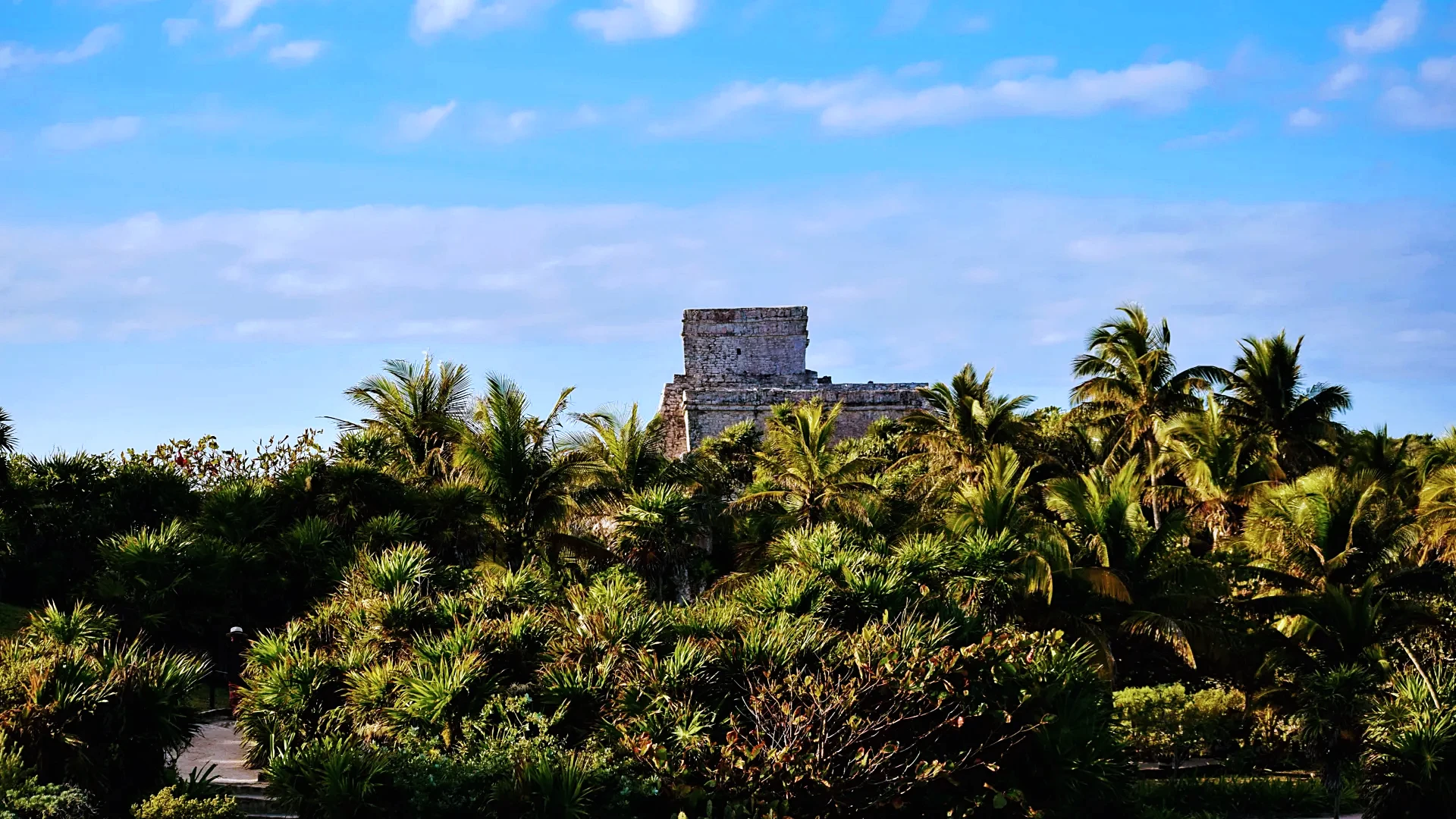
El Castillo is Tulum’s tallest and most photographed structure. It rises approximately 12 meters above the cliff edge. The temple at its summit faces west—toward the interior, not the sea—while openings in the building’s east face aligned perfectly with sunrise on the equinoxes. Therefore, El Castillo served both navigational and astronomical functions simultaneously. Carey Tours’ certified guides explain the exact astronomical geometry on every archaeological tour.
Temple of the Frescoes
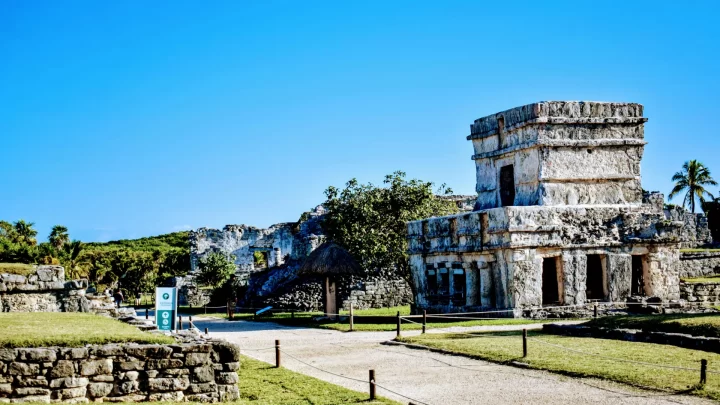
The Temple of the Frescoes is arguably Tulum’s most archaeologically significant structure. Its painted interior murals are among the best-preserved Maya frescoes still visible in the Yucatan Peninsula. The imagery depicts the Maya rain deity Chaac, the descending god, and agricultural fertility scenes. However, the exterior is equally remarkable—carved stucco masks of Chaac decorate each corner of the lower structure, their large eyes still intact after centuries of Caribbean humidity.
Temple of the Descending God
The Temple of the Descending God is one of Tulum’s most unusual structures. Above its doorway, a carved figure plunges headfirst toward earth—representing a deity associated with Venus, bees, or the setting sun (interpretations vary). Furthermore, this same descending figure appears repeatedly across Tulum’s structures, suggesting it held particular importance for the city’s trading and ritual economy. A similar figure appears at Coba and Sayil, but Tulum’s is the most accessible.
When Is the Best Time to Visit Tulum Ruins?
Early Morning Is Non-Negotiable
The Tulum ruins open at 8 a.m. Carey Tours’ certified guides recommend arriving within the first 30 minutes. By 9:30 a.m., large group buses from Cancun and Playa del Carmen begin arriving. By 10 a.m., the site is crowded significantly. Furthermore, the morning light illuminates El Castillo’s seaward face in ways that midday overhead sun simply cannot replicate for photography.
In addition, early morning is cooler and less humid—important in a coastal jungle environment. Therefore, the combination of lower crowds, better light, and comfortable temperatures makes the 8–9:30 a.m. window essentially non-negotiable for the best Tulum ruins experience.
Seasonal Considerations
November through April offers the most comfortable visiting conditions: lower humidity and minimal rain. However, May through October brings vivid jungle greenery and dramatic Caribbean cloud formations that produce exceptional photography. Carey Tours operates year-round. The team adapts every visit to prevailing conditions.
Private Tours at Tulum Ruins: What Carey Tours Offers
Expert Guides Who Know Every Stone
Carey Tours was founded in 2018 with a specific mission: deliver fully private, expert-guided experiences across the Riviera Maya. The team is made up of certified local guides with over 10 years of field experience each. They speak Spanish, English, and French. Both male and female guides are available. Every tour is completely private—no strangers, no shared timelines, no rush.
Carey Tours’ founder Fernando moved to Playa del Carmen in 1994 and spent 15 years as a certified tour guide across the region. His knowledge of Tulum’s structures, astronomical alignments, and trading history shaped how the team approaches every archaeological visit.
Tour Options Featuring Tulum Ruins
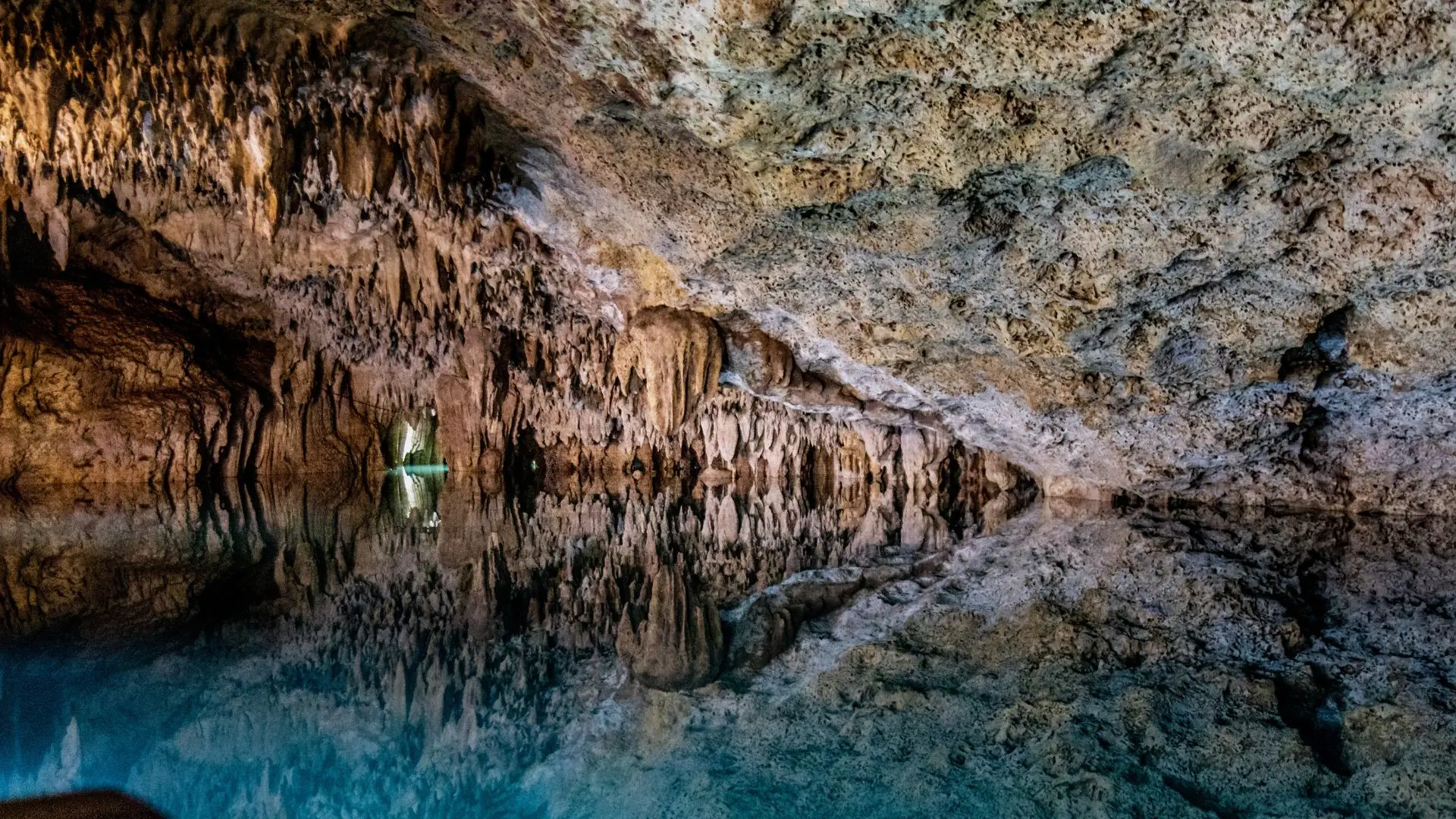
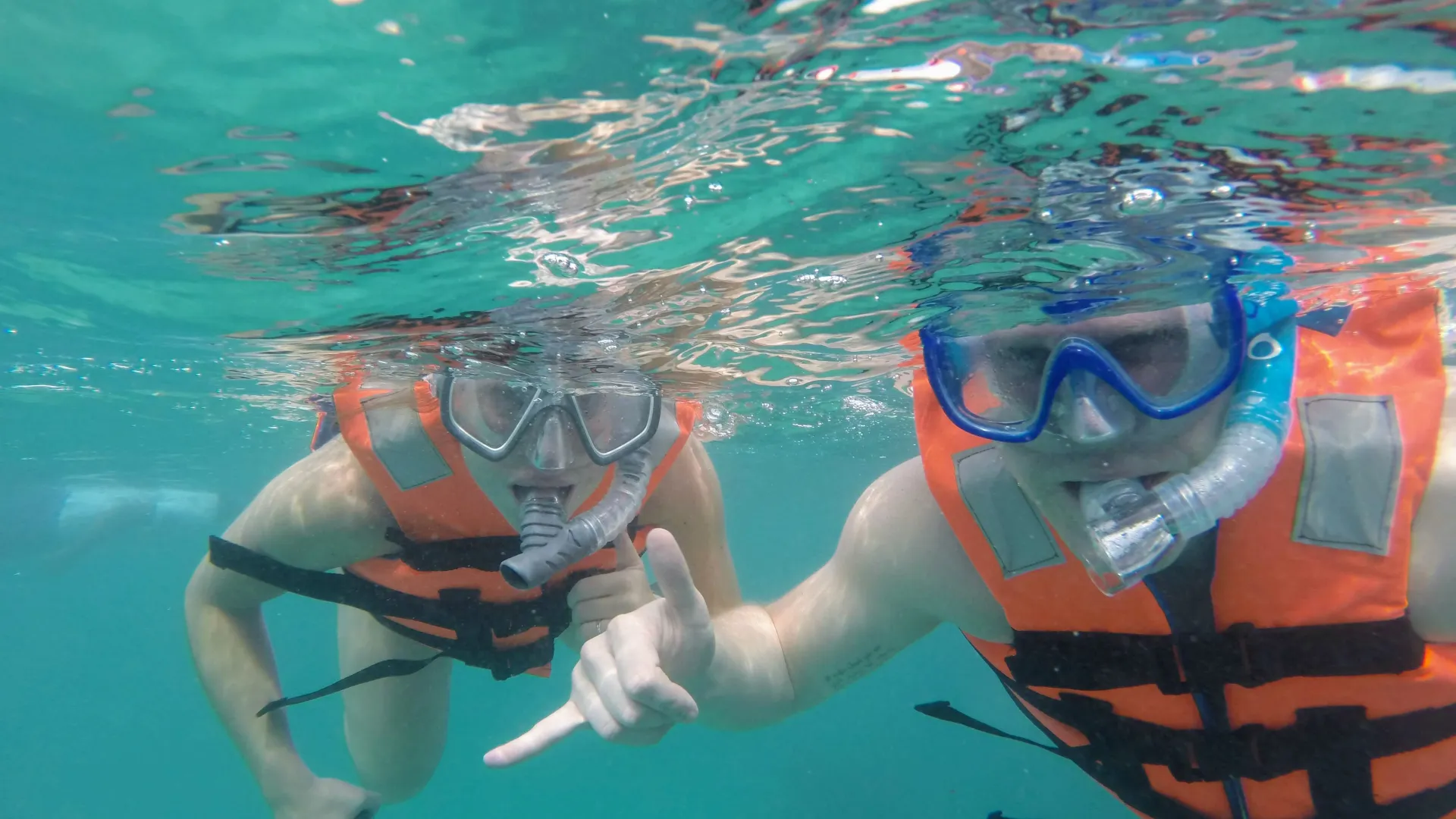
The Tulum Ruins Express Half-Day Private Tour is ideal for focused ruins time without a full-day commitment. For a more complete experience, the Tulum Ruins & Reef Snorkelling Private Tour adds Caribbean reef snorkeling by private boat. Furthermore, the Tulum Ruins / Reef Snorkeling & Cenote Taak-Bi-Ha Private Tour pairs ruins, reef, and cavern cenote swimming in one extraordinary private day.
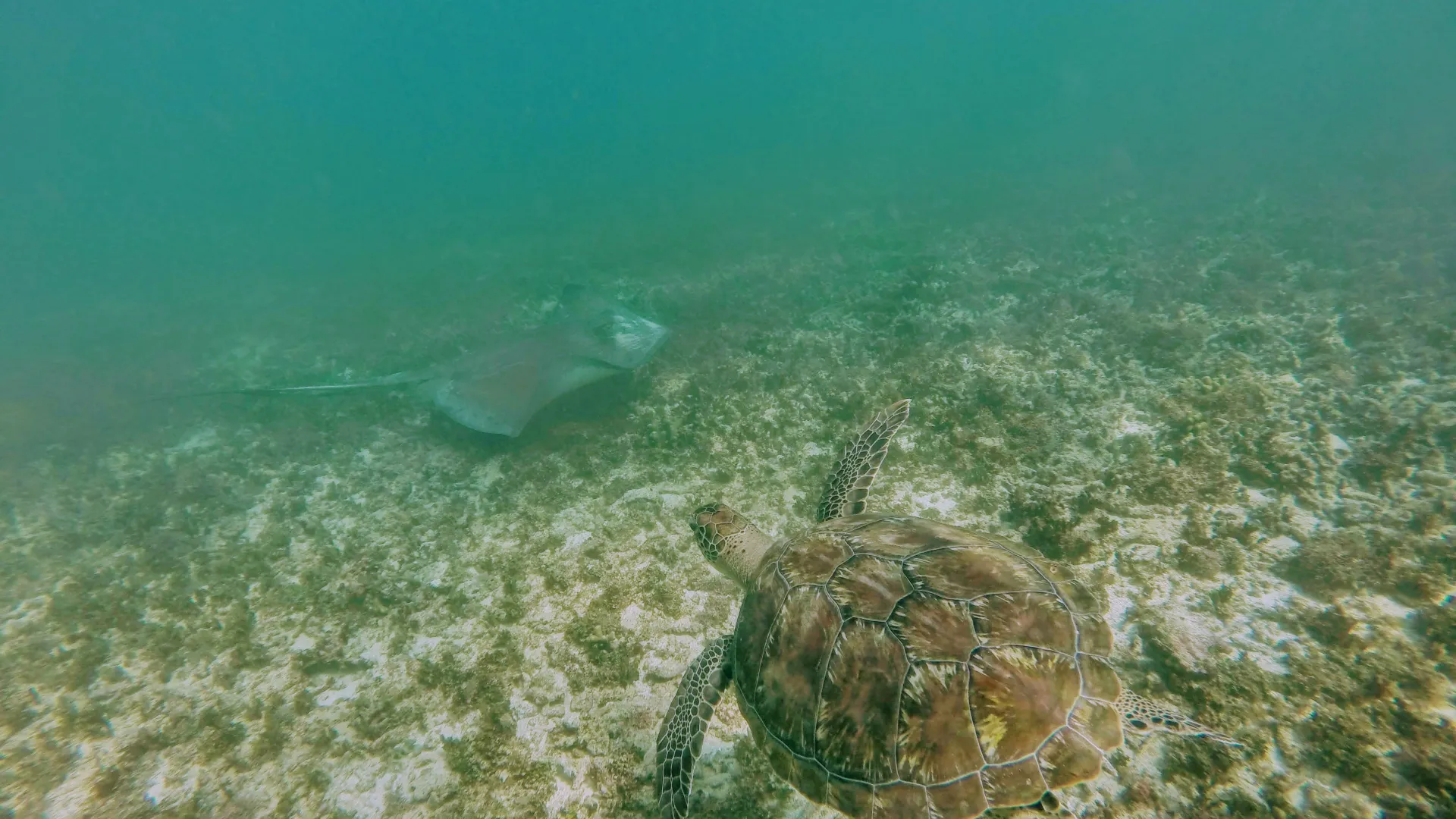
In addition, the Tulum Ruins & Akumal Sea Turtles Snorkeling Private Tour combines clifftop archaeology with near-guaranteed sea turtle encounters just 30 km north. The Tulum Ruins & Coba Ruins Private Tour visits two profoundly different Maya cities in a single expert-guided day.
Book Your Tulum Ruins Private Tour — Spots Fill Fast
Early morning private tour slots at Tulum ruins are in high demand. During peak season (December–January and July–August), they book weeks in advance. Therefore, securing your preferred date early is essential—especially if your group wants the 8 a.m. opening window.
The larger your group, the better the value. Carey Tours tailors every private experience to your group’s size and pace. A shared private guide consistently delivers more per person—in context, access, and quality—than any group alternative.
Contact Carey Tours via WhatsApp (+52 1 984 145 2640). Availability is limited and allocated first-come, first-served.
FAQ: Tulum Ruins
How old are the Tulum ruins?
The Tulum ruins date primarily to the post-classic Maya period, with the main construction phase between approximately 1200 and 1450 CE. However, some evidence suggests earlier occupation at the site from the early classic period (around 300–600 CE). The city was still functioning when Spanish explorer Juan de Grijalva sighted it in 1518.
Can you swim at the Tulum ruins?
There is a small beach directly below the cliff of the Tulum ruins—accessible via a staircase within the archaeological zone. Swimming is permitted at this beach. However, it is not a snorkeling location. For Caribbean reef snorkeling near the ruins, Carey Tours’ private boat tours access the Mesoamerican Barrier Reef just offshore.
How long does it take to visit the Tulum ruins?
A self-guided visit typically takes 1 to 1.5 hours. With a certified Carey Tours guide providing full archaeological context, plan for 1.5 to 2 hours—covering all main structures, the frescoes, astronomical alignments, and the cliff viewpoints. The half-day private tour format allows sufficient depth without rushing.
What should I wear to the Tulum ruins?
Light, breathable clothing and comfortable walking shoes are essential. The site involves uneven limestone surfaces and direct sun exposure. Furthermore, biodegradable sunscreen is strongly recommended—especially if you plan to swim after the ruins visit. Hats and water are important regardless of season.
Are the Tulum ruins worth visiting?
Yes—particularly with an expert private guide and early morning timing. The clifftop Caribbean setting is unique in the entire Maya world. In addition, the Temple of the Frescoes contains some of the most accessible painted Maya murals in Mexico. With context, these ruins offer a genuinely profound archaeological encounter.
Is there parking at the Tulum ruins?
Yes. There is a paid parking area at the site entrance. However, large tour buses park here first and can create significant congestion by mid-morning. Carey Tours’ private vehicles handle all logistics directly—including parking and the entrance train that takes visitors from the parking area to the site gate.

My friends and I made a last minute decision to try to see some cenotes prior to leaving Riviera Maya and we so happy that we did.
This tour was amazing! Not only were the cenotes beautiful, but our tour guide was amazing as well! He gave us some excellent history lessons on the cenotes and the areas around them. This company definitely knows what they are doing with tours to provide a personalized and memorable experience!
Mary Mier

We had a wonderful tour snorkeling and in to a cenote with Yosh through Carey Tours! He was kind, patient, knowledgeable, funny, and added a lot to our overall experience. He even allowed us some time in a beautiful quiet part of the cenote to meditate and appreciate the wonder of it all. We would absolutely recommend Yosh and Carey Tours!
Amanda Halabi